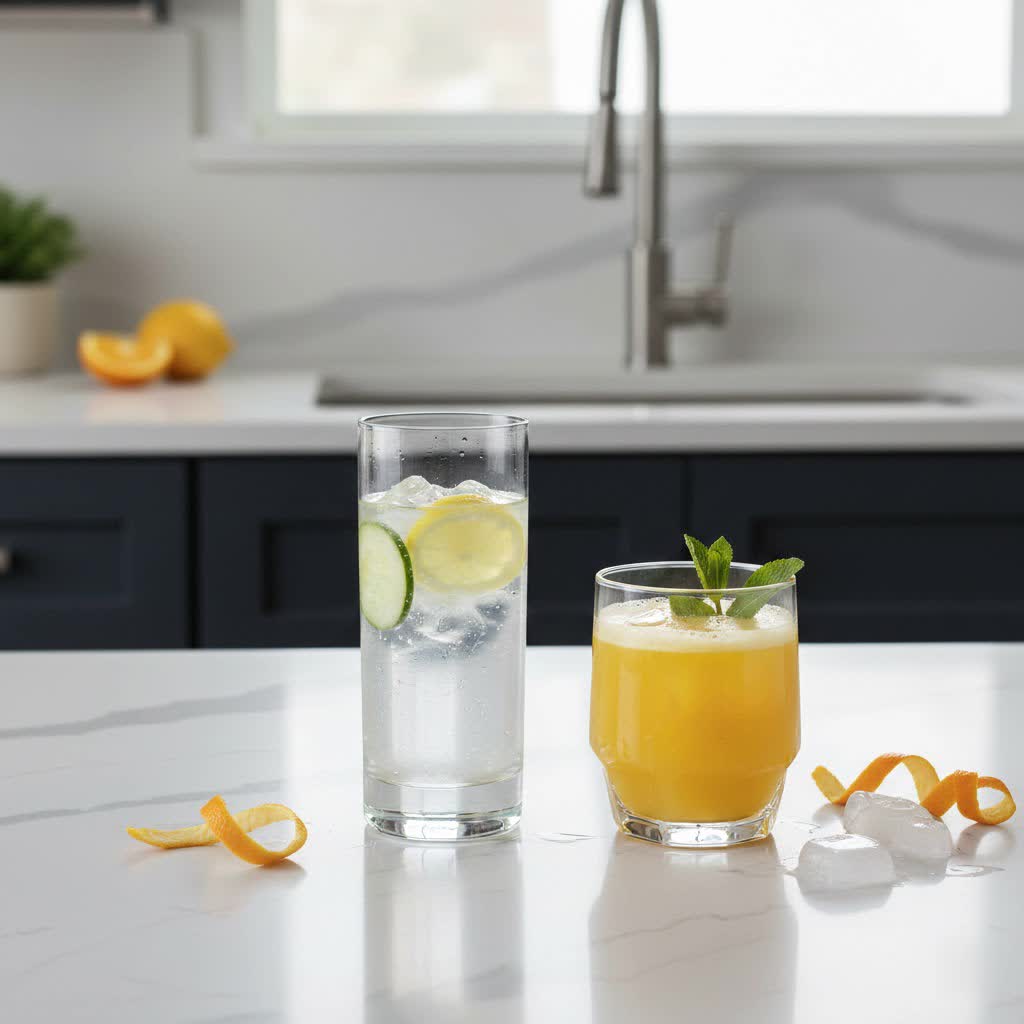
Choosing the right glassware set for your home goes beyond mere aesthetics; it’s about understanding the delicate balance between durability, safety, and the ability to elevate your everyday moments and special occasions. As an Admin with over a decade of experience in home appliances, especially glass products, I’ve personally tested and reviewed countless sets of glasses. This deep dive into the world of crystal and soda-lime glass will equip you with the knowledge to select the perfect glassware set that meets your needs for the coming years.
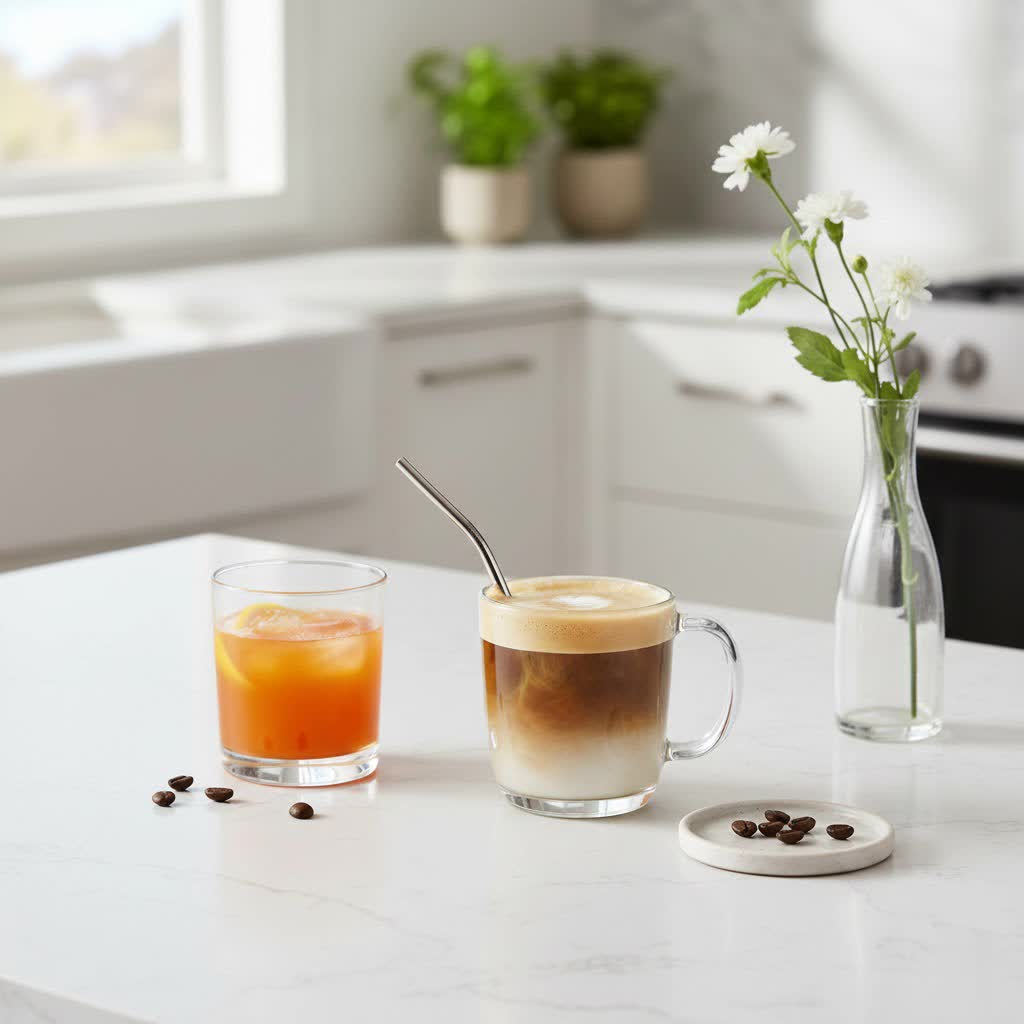
The world of glassware offers a surprising depth of choices, each material bringing its own unique characteristics to the table. From the humble, everyday tumbler to the sparkling centerpiece of a formal dinner, the material defines not just the look and feel, but also the performance and longevity of your drinkware. So, how do you navigate the options when faced with the timeless elegance of crystal and the pragmatic reliability of soda-lime glass? Let’s break down the essential differences and help you decide which is better for your home in 2026.
Understanding Glassware Materials: Beyond the Basics
Before we crown a winner, it’s crucial to understand the fundamental properties that distinguish soda-lime glass from crystal. Their compositions dictate everything from their sparkle and weight to their durability and safety profiles.
Soda-Lime Glass: The Everyday Workhorse
|
Our Picks for the Best Glassware set in 2026
As an Amazon Associate I earn from qualifying purchases.
|
||
| Num | Product | Action |
|---|---|---|
| 1 | Everyday Drinking Glasses Set of 8 Drinkware Hurricane Glasses, Kitchen Glasses for Cocktail, Iced Coffee, Beer, Ice Tea, Wine, Whiskey, Water, 4 Tall Glass Cups & 4 Short Dof Drinking |

|
| 2 | Ribbed Glass Cups Set of 8 - 4 Large Capacity Highball Glasses 17oz, 4 Rocks Glass Cups 12oz, Cocktail Glasses, Drinking Glasses Ideal for Beer, Juice, Water, Ice Coffee Cup, Whiskey, Mixed Drinkware |
|
| 3 | Qipecedm Drinking Glasses, 8 Piece Crystal Glass Cups, Mixed Glassware Set, 4 pcs Crystal Old Fashioned 11oz Highballs and 4 pcs 11oz Whiskey Glasses, Great for Cocktail, Whisky and other Beverages |
|
| 4 | US Acrylic Classic Clear Plastic Reusable Drinking Glasses (Set of 8) 12oz Rocks & 16oz Water Cups | BPA-Free Tumblers, Made in USA | Top-Rack Dishwasher Safe |
|
| 5 | Hlukana Vintage Hobnail Drinking Glasses Set of 8, 12 oz Highball Glasses & 10 oz Cocktail Glasses Set, Kitchen Water Glasses Cup, Bar Tumbler Glassware Set for Beer, Juice, Cocktail, Whiskey, Milk |
|
| 6 | Libbey Preston Tumbler and Rocks Glass Cups Set, All Purpose Everyday Drinking Glasses Set of 16, Glassware Drinking Glasses for Birthdays, Dinners |
|
| 7 | Libbey Province Tumbler and Rocks Glass Set, Elegant Drinkware Glasses Set, Dishwasher Safe Drinking Glasses Set of 16 |
|
| 8 | Libbey Ascent Tumbler and Rocks Drinking Glasses Set of 16, Glass Drinking Glasses with Curvature, Versatile Glassware Set for Parties and More |
|
| 9 | Le'raze Collins Everyday Drinking Glasses Set of 16 Drinkware Kitchen Glasses for Cocktail, Iced Coffee, Beer, Ice Tea, Wine, Whiskey, Water, 8 Tall Highball Glass Cups & 8 Short Old Fashioned. |
|
| 10 | Libbey Province 24-Piece Glasses Drinking Set, Ideal Dining Glassware Sets, Glass Tumbler Set with Lines, Dishwasher Safe Glass Sets For Drinking |
|
Soda-lime glass is the most common and economically produced type of glass, making up approximately 90% of all manufactured glass globally. It’s the material you likely encounter daily, from your drinking tumblers to food storage jars and windowpanes.
Composition and Manufacturing
This glass is primarily made from three abundant raw materials: silica (sand), sodium carbonate (soda), and calcium oxide (lime). Minor elements like alumina and magnesium oxide are often added to enhance its stability. The manufacturing process is relatively straightforward and cost-effective, involving melting these materials at high temperatures and then cooling them to form a clear, versatile glass. This simplicity in production contributes significantly to its widespread availability and affordability.
Pros: Affordability, Versatility, and Recyclability
The primary advantage of soda-lime glass is its affordability. It’s an accessible option for almost any budget, allowing households to stock up without a significant investment. Its versatility is another strong point; it can be easily molded into a vast array of shapes and designs, fitting diverse functional and aesthetic needs, from simple tumblers to decorative pieces. Moreover, soda-lime glass is highly recyclable. It can be re-melted and reshaped multiple times without substantial loss of quality, making it an environmentally conscious choice.
Cons: Fragility, Thermal Shock Sensitivity, and Less Brilliance
Despite its widespread use, soda-lime glass does have its drawbacks. It is generally less durable compared to other glass types like tempered or borosilicate glass, making it prone to breakage, chipping, and scratches, especially if it has existing flaws. One significant limitation is its thermal shock sensitivity. Rapid temperature changes, such as pouring a hot liquid into a cold glass, can easily cause it to crack or shatter. While it offers decent optical clarity, soda-lime glass can appear slightly foggy and sometimes exhibits a subtle green or blue tint due to its composition, lacking the dazzling brilliance of crystal.
Best for: Daily Use and Casual Settings
Given its practicality and cost-effectiveness, soda-lime glass excels as everyday drinkware. It’s ideal for casual family meals, outdoor gatherings, or any setting where robustness and easy replacement are more important than exquisite sparkle.
Crystal Glass: Elegance Redefined
Crystal glass, historically reserved for more formal occasions and decorative items, has evolved significantly over the years, particularly with the advent of lead-free alternatives.
Traditional Lead Crystal: The Sparkle and the Caution
For centuries, crystal glass was synonymous with lead crystal. This material incorporated lead oxide into its composition, typically at least 24% in Europe and 1% in the US, alongside silica and other elements.
Pros: Unmatched Brilliance, Weight, Intricate Designs, and Resonant Sound
The addition of lead oxide gives traditional crystal its signature qualities. It boasts an unmatched brilliance and sparkle due to its high refractive index, scattering light in a mesmerizing way. This also allows for exceptional clarity, making it appear dazzlingly clear. The lead content also imparts a satisfying heft or weight to the glass, giving it a luxurious feel in the hand. Its softness and lower working temperature enable artisans to create incredibly intricate cuts and designs that are not possible with standard glass. When gently tapped, traditional lead crystal produces a distinct, resonant bell-like ringing sound, a hallmark of its quality.
Cons: Fragility and Health Concerns
However, traditional lead crystal comes with significant drawbacks. It is more delicate and fragile than soda-lime glass, being prone to chipping, scratching, and cracking. The most significant concern revolves around health and safety. Lead can leach from the crystal into acidic beverages (like wine, spirits, and fruit juices) over extended periods. Therefore, it is strongly advised not to store such liquids in lead crystal decanters for long durations. While brief use during a meal is generally considered acceptable, the cumulative exposure to lead from multiple sources makes many consumers cautious.
Best for: Decorative Items, Occasional Formal Use, and Display
Traditional lead crystal is best suited for decorative purposes, such as chandeliers, vases, and occasional use for toasts, where its aesthetic appeal outweighs practical considerations. It makes for stunning display pieces, enhancing the elegance of any room.
Modern Lead-Free Crystal: The Best of Both Worlds
Responding to health concerns and a desire for more durable, versatile options, manufacturers developed lead-free crystal, also known as crystalline. This innovative material replaces lead oxide with other heavy metal oxides, such as barium oxide, zinc oxide, potassium oxide, or titanium oxides.
Pros: Brilliant Clarity, Enhanced Durability, Safer, Thermal Shock Resistance, and More
Lead-free crystal aims to replicate the splendor of traditional lead crystal without the toxicity. It achieves brilliant clarity and sparkle, with additives like barium oxide boosting its refractive index. Crucially, it is non-toxic, eliminating the health risks associated with lead leaching, making it safe for everyday use with all types of beverages. Modern lead-free crystal is often more durable than traditional lead crystal, engineered for higher hardness and abrasion resistance. It also typically has a lower coefficient of thermal expansion than soda-lime glass, meaning it can better withstand temperature fluctuations, making some varieties suitable for hot beverages and often dishwasher safe for added convenience. Furthermore, it does not alter the taste or aroma of your drinks, ensuring a pure sensory experience. Many lead-free crystal products are also more environmentally friendly, being recyclable and requiring less energy in production.
Cons: Price and Perceived Weight
While lead-free crystal offers numerous advantages, it can still be more expensive than soda-lime glass. Though denser than soda-lime glass (around 2.9-3.1 g/cm³ compared to soda-lime’s 2.5 g/cm³), giving it a substantial, luxurious feel, some might find it slightly lighter than traditional lead crystal, depending on the specific metal oxides used.
Best for: All-Purpose Premium Glassware, Special Occasions, and Everyday Elegance
Lead-free crystal is arguably the superior choice for most modern households. It perfectly balances elegance with practicality, making it ideal for everything from fine wine tasting and sophisticated cocktails to enhancing your daily hydration.
Crystal vs. Soda-Lime Glass: A Detailed Comparison Table
To help you visualize the differences, here’s a comprehensive comparison:
| Feature | Soda-Lime Glass | Traditional Lead Crystal | Lead-Free Crystal (Crystalline) |
|---|---|---|---|
| Composition | Silica, soda, lime, minor oxides | Silica, lead oxide (1-30%), potash, additives | Silica, barium, zinc, potassium, titanium oxides |
| Clarity/Brilliance | Decent, often slightly foggy, possible tints | Exceptional, dazzling sparkle, high refractive index | High, brilliant sparkle, excellent clarity |
| Durability | Less durable, prone to chipping/breakage | Delicate, prone to chips/scratches, fragile | Enhanced, often more durable than lead crystal |
| Heat Resistance | Poor, sensitive to thermal shock | Moderate, delicate with temperature changes | Good, lower thermal expansion, withstands fluctuations |
| Weight | Lighter | Heavier (due to lead) | Denser than soda-lime, lighter than lead crystal |
| Sound | Dull, short chime | Resonant, bell-like ring | Resonant, bell-like ring |
| Safety | Food-safe, non-toxic | Lead leaching risk with acidic liquids | Non-toxic, safe for all beverages |
| Price | Very affordable | High, premium | Moderate to High, premium |
| Maintenance | Dishwasher safe | Hand wash recommended | Often dishwasher safe, easier care |
| Workability | Good, but thick rims due to quick hardening | Excellent, allows intricate cuts/thin designs | Excellent, allows intricate cuts/thin designs |
| Eco-Friendliness | Highly recyclable | Less so due to lead; production can be energy-intensive | Recyclable, generally more sustainable production |
Choosing Your Perfect Glassware Set: A Comprehensive Buying Guide
With a clear understanding of the materials, let’s look at the practical steps to choose the best glassware set for your needs.
1. Determine Your Usage Needs
Before anything else, consider the primary purpose of your glassware.
- Everyday Use: Are you seeking durable glasses for daily hydration, juices, and casual drinks? Soda-lime glass or durable lead-free crystal tumblers might be your best bet. Look for tempered options for extra strength.
- Special Occasions: Do you need elegant stemware for entertaining guests, formal dinners, or celebrating milestones? Lead-free crystal offers the sophistication and sparkle without the health concerns.
- Specialized Drinks: For wine aficionados or cocktail enthusiasts, specific shapes and materials enhance the drinking experience. Lead-free crystal wine glasses are designed to optimize aroma and flavor, while robust soda-lime or borosilicate glasses might be better for high-traffic bar settings.
2. Prioritize Safety: The Lead Factor
This is paramount. If you are considering crystal glassware, always opt for lead-free crystal. Traditional lead crystal poses a risk of lead leaching, especially when acidic beverages are stored in it for extended periods. While some argue that brief contact is harmless, choosing lead-free crystal eliminates any concern, making it a safer and healthier choice for your family and guests.
3. Consider Durability and Maintenance
Your lifestyle should influence your choice.
- Dishwasher vs. Hand Wash: If convenience is a priority, select glassware that is dishwasher safe. Many modern lead-free crystal varieties are engineered for this, unlike delicate traditional lead crystal, which typically requires hand washing. Soda-lime glass is almost always dishwasher safe.
- Resistance to Breakage: For households with children or simply to avoid frequent replacements, look for materials known for their resilience. Tempered soda-lime glass offers improved durability for everyday bumps and knocks. Lead-free crystal also provides enhanced chip resistance over its leaded counterpart.
“When selecting glassware, the modern consumer prioritizes not just beauty, but also the peace of mind that comes with safety and effortless maintenance. Lead-free crystal represents a significant leap forward, offering elegance without compromise.” – Dr. Eleanor Vance, Materials Science Expert, Glassware Innovations Institute
4. Aesthetic Appeal: Sparkle, Tint, and Design
The visual and tactile experience of your glassware is vital.
- Clarity and Brilliance: If you crave the dazzling sparkle that enhances the presentation of any drink, lead-free crystal is the clear winner. Its high refractive index creates a beautiful play of light. Soda-lime glass, while clear, often lacks this vibrant brilliance.
- Design and Thinness: Crystal, both traditional and lead-free, can be crafted into much thinner, more intricate designs than soda-lime glass. This allows for elegant stems, delicate rims, and exquisite cuts that enhance the sensory experience, particularly for fine wines.
- Coloration: Soda-lime glass can sometimes have a faint green or blue tint due to iron content in the sand, whereas quality crystal is perfectly colorless and clear.
5. Budget Considerations
While quality glassware is an investment, it doesn’t have to break the bank.
- Affordable: Soda-lime glass is the most budget-friendly option, perfect for large sets or frequent replacement.
- Mid-Range to Premium: Lead-free crystal varies in price but offers a significant upgrade in aesthetics and durability compared to soda-lime, representing excellent value for its combined benefits. Traditional lead crystal is often the most expensive due to its labor-intensive production and historical prestige.
6. Thermal Performance: Hot and Cold Beverages
If you plan to use your glassware for both hot and cold drinks, thermal resistance is key. Soda-lime glass is highly susceptible to thermal shock and can crack with sudden temperature changes. Lead-free crystal generally offers better thermal resilience, though borosilicate glass (often seen in specialized mugs and bakeware) remains the champion for extreme temperature shifts.
Conclusion
The debate between crystal and soda-lime glass in 2026 isn’t just about tradition versus practicality; it’s about evolving technology and informed choices. While soda-lime glass remains an affordable and functional staple for everyday use, its limitations in terms of brilliance, durability, and thermal resistance are evident. Traditional lead crystal, with its undeniable sparkle and heft, carries the baggage of lead toxicity, relegating it primarily to decorative roles or very occasional use.
The clear victor for most modern households is lead-free crystal. It masterfully blends the best attributes of both worlds: the exquisite brilliance and elegant feel of traditional crystal with enhanced durability, superior safety, and often easier maintenance. Investing in a quality lead-free crystal glassware set means choosing a versatile, beautiful, and safe option that will elevate every sip, whether it’s a casual morning juice or a celebratory evening toast.
So, as you refresh your home bar or dining collection, ask yourself: are you seeking merely to hold a drink, or to enhance the entire experience with glassware that truly shines, safely and sustainably?