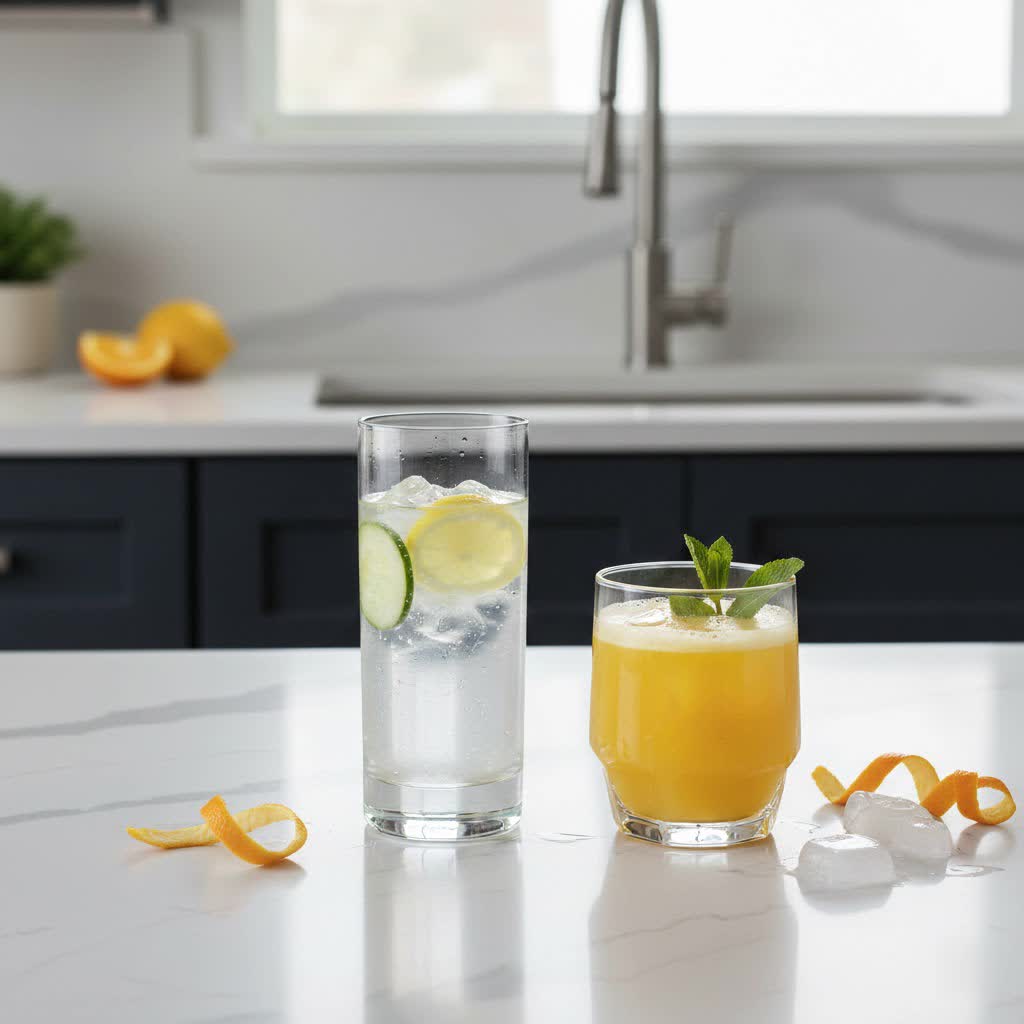
For parents, finding the perfect balance between practicality, durability, and aesthetics in home essentials can be a constant quest. When it comes to drinkware for children, the thought of glass often conjures images of shattered pieces and potential hazards. However, advancements in manufacturing have introduced a revolutionary category: unbreakable glassware sets. These innovative options offer the timeless appeal and health benefits of glass without the typical fragility, making them an increasingly popular choice for families looking to upgrade from plastic. This guide will explore the best options, materials, and buying considerations to help you choose the ideal glassware for your little ones, ensuring safety and style coexist harmoniously.
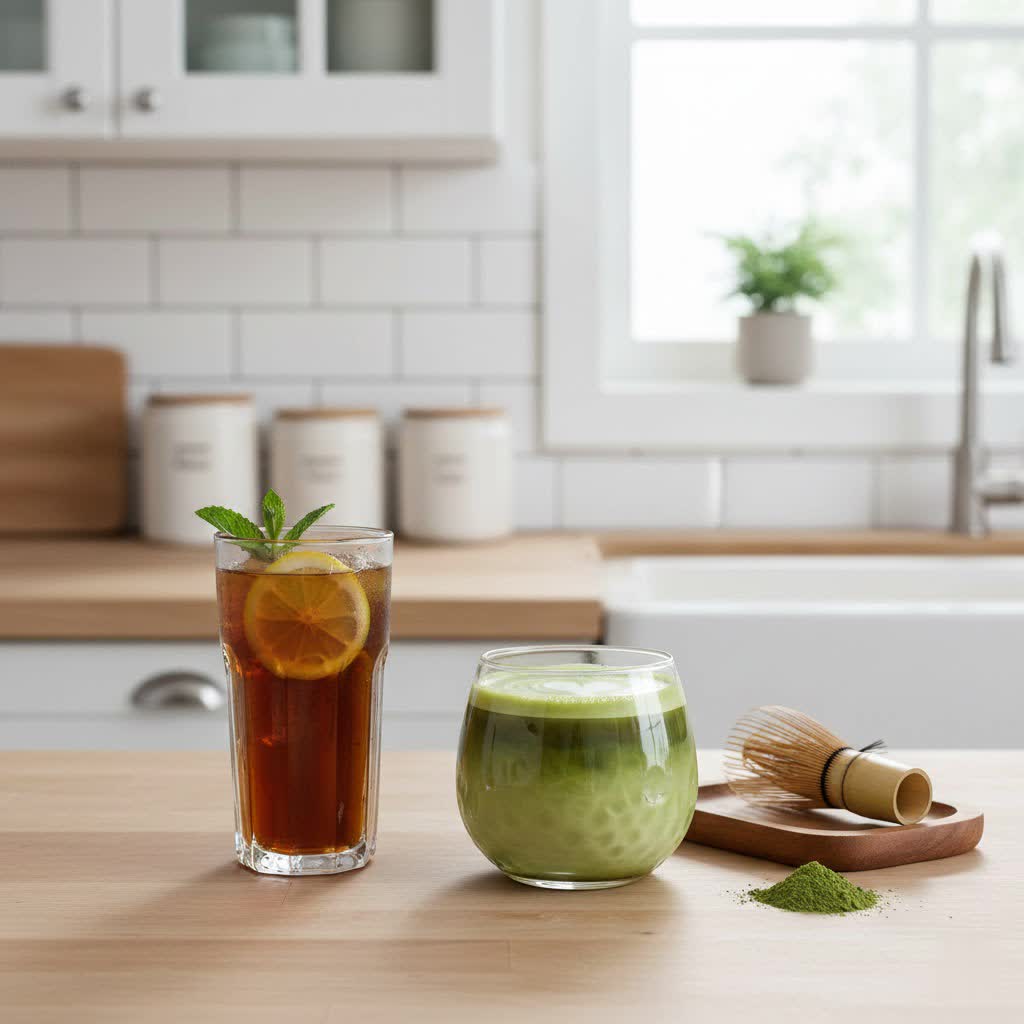
The Evolution of Safe Glassware for Kids
The idea of “unbreakable” glass for children might seem contradictory, but modern technology has transformed ordinary glass into remarkably resilient drinkware. This isn’t about magical, indestructible cups, but rather about significantly enhanced break-resistance and safer breakage patterns designed with busy households in mind.
Understanding Break-Resistant Glass Materials
Several types of glass are engineered for superior durability, each with unique properties that contribute to their strength and safety.
-
Tempered Glass: This is perhaps the most well-known and widely used material for break-resistant glassware. Tempered glass undergoes a thermal tempering process where it’s heated and then rapidly cooled. This process creates a compressed outer surface and a tensioned inner layer, making the glass four to five times stronger than regular glass. A key safety advantage for children is its breakage pattern: instead of shattering into jagged shards, tempered glass typically breaks into small, relatively blunt, cube-like pieces, significantly reducing the risk of injury. Brands like Duralex (famous for its Picardie and Provence lines), Libbey DuraTuff, and Cardinal’s Arcoroc are prominent in this category.
-
Borosilicate Glass: Often associated with laboratory equipment and bakeware, borosilicate glass is renowned for its exceptional thermal shock resistance. It’s made with a higher percentage of silica and boron trioxide, allowing it to withstand extreme temperature changes without cracking. While not as impact-resistant as tempered glass in all scenarios, its inherent strength and ability to handle both hot and cold beverages safely make it a robust choice for kids’ drinkware. Many glass water bottles are made from borosilicate due to its durability and chemical inertness.
-
Annealed & Rim-Tempered Glass: Annealing is a controlled cooling process that reduces internal stress in glass, making it more resistant to fractures. When combined with rim-tempering, which specifically strengthens the rim (the most vulnerable part of a glass), it creates highly durable everyday glassware. Libbey’s DuraTuff line often utilizes a rim-tempering process, resulting in glasses that can endure the knocks and bumps of daily life.
-
Titanium-Infused Glass: For those seeking premium durability with an elegant touch, some manufacturers infuse glass with titanium at a molecular level. This innovative process enhances the glass’s strength and scratch resistance, offering an advanced level of resilience. While often found in more sophisticated barware, some brands offer simpler designs that could be suitable for older children or special occasions, providing exceptional longevity.
|
Our Picks for the Best Glassware set in 2026
As an Amazon Associate I earn from qualifying purchases.
|
||
| Num | Product | Action |
|---|---|---|
| 1 | Libbey Province Tumbler and Rocks Glass Set, Elegant Drinkware Glasses Set, Dishwasher Safe Drinking Glasses Set of 16 |

|
| 2 | Libbey Preston Tumbler and Rocks Glass Cups Set, All Purpose Everyday Drinking Glasses Set of 16, Glassware Drinking Glasses for Birthdays, Dinners |
|
| 3 | US Acrylic Classic Clear Plastic Reusable Drinking Glasses (Set of 8) 12oz Rocks & 16oz Water Cups | BPA-Free Tumblers, Made in USA | Top-Rack Dishwasher Safe |
|
| 4 | Le'raze Collins Everyday Drinking Glasses Set of 16 Drinkware Kitchen Glasses for Cocktail, Iced Coffee, Beer, Ice Tea, Wine, Whiskey, Water, 8 Tall Highball Glass Cups & 8 Short Old Fashioned. |
|
| 5 | Hlukana Vintage Hobnail Drinking Glasses Set of 8, 12 oz Highball Glasses & 10 oz Cocktail Glasses Set, Kitchen Water Glasses Cup, Bar Tumbler Glassware Set for Beer, Juice, Cocktail, Whiskey, Milk |
|
| 6 | Libbey Province 24-Piece Glasses Drinking Set, Ideal Dining Glassware Sets, Glass Tumbler Set with Lines, Dishwasher Safe Glass Sets For Drinking |
|
| 7 | Ribbed Glass Cups Set of 8 - 4 Large Capacity Highball Glasses 17oz, 4 Rocks Glass Cups 12oz, Cocktail Glasses, Drinking Glasses Ideal for Beer, Juice, Water, Ice Coffee Cup, Whiskey, Mixed Drinkware |
|
| 8 | Everyday Drinking Glasses Set of 8 Drinkware Hurricane Glasses, Kitchen Glasses for Cocktail, Iced Coffee, Beer, Ice Tea, Wine, Whiskey, Water, 4 Tall Glass Cups & 4 Short Dof Drinking |
|
| 9 | Qipecedm Drinking Glasses, 8 Piece Crystal Glass Cups, Mixed Glassware Set, 4 pcs Crystal Old Fashioned 11oz Highballs and 4 pcs 11oz Whiskey Glasses, Great for Cocktail, Whisky and other Beverages |
|
| 10 | Libbey Ascent Tumbler and Rocks Drinking Glasses Set of 16, Glass Drinking Glasses with Curvature, Versatile Glassware Set for Parties and More |
|
Why Choose Glass Over Plastic for Kids?
While plastic drinkware offers extreme unbreakability, many parents prefer glass for compelling reasons, especially with the availability of break-resistant options.
- Health and Safety: Glass is non-porous and naturally free from harmful chemicals like BPA, phthalates, and lead, which can leach into beverages from plastic, particularly when exposed to heat or repeated use. This ensures a purer drinking experience for your children.
- Taste and Purity: Glass does not retain odors or flavors, ensuring drinks always taste as they should. Unlike plastic, it won’t impart a chemical taste to water or juice.
- Sustainability and Aesthetics: Glass is endlessly recyclable and offers a more sophisticated, timeless look compared to plastic. Introducing children to “real” glassware can also foster a sense of responsibility and care for their belongings, aligning with principles often seen in Montessori education.
- Longevity: High-quality, break-resistant glassware, despite its higher initial cost, often outlasts countless plastic alternatives, making it a more sustainable and economical choice in the long run.
Top Glassware Sets for Kids’ Safety: A Comparative Review
When selecting the best unbreakable glassware for your children, several brands stand out for their commitment to durability, safety, and thoughtful design.
Detailed Brand Spotlights
-
Duralex Picardie/Provence: Hailing from France, Duralex invented the tempering process for glassware. Their Picardie tumblers are iconic, known globally for their classic design and exceptional strength. Many users attest to their ability to withstand drops on hard surfaces without breaking. When they do break, they fracture into safer, blunt pieces. The Provence style offers a slightly softer, more ergonomic grip, making it particularly child-friendly. Duralex glasses are also dishwasher-safe, stackable, and available in various sizes, perfect for small hands. They are often chosen for Montessori-inspired environments due to their durability and “real glass” feel.
-
Libbey DuraTuff (and similar commercial-grade lines): Libbey is a major glassware manufacturer, and their DuraTuff line is engineered for commercial use in busy restaurants and bars, proving its mettle against constant handling and impacts. This commercial-grade durability translates perfectly to a bustling family home. These glasses are known for their strong, rim-tempered construction and are available in numerous shapes and sizes, from juice glasses to larger tumblers. They offer excellent value for money and are a reliable, sturdy choice for everyday use.
-
Zwiesel Glas (Titanium-Infused options): While often associated with fine stemware, Zwiesel Glas offers collections featuring their Tritan® crystal glass technology, which uses titanium to enhance durability, scratch resistance, and brilliance. While perhaps a more premium option, certain simpler designs from Zwiesel could serve as sophisticated, highly break-resistant drinking glasses for older children or special family meals. They represent an investment in advanced material science for unparalleled glass strength.
Comparison Table
| Brand/Material | Key Feature for Kids | Durability | Breakage Pattern | Price Level | Best For |
|---|---|---|---|---|---|
| Duralex Tempered Glass | Ergonomic, safe breakage into cubes | Excellent | Blunt cubes | Mid | Everyday use, Montessori approach |
| Libbey DuraTuff | Commercial-grade, rim-tempered strength | Very Good | Smaller, less sharp pieces | Low-Mid | Budget-conscious, high-traffic homes |
| Borosilicate Glass | Thermal shock resistant, chemical inertness | Excellent | Shatters less predictably than tempered, but very strong | Mid-High | Hot/cold drinks, pure taste |
| Titanium-Infused Glass | Enhanced scratch and break resistance | Exceptional | Controlled | High | Longevity, aesthetic appeal for older kids |
The Ultimate Buying Guide for Kids’ Safe Glassware
Choosing the right unbreakable glassware set involves considering several factors beyond just material. A thoughtful approach ensures you select a set that truly meets your family’s needs for safety, functionality, and style.
1. Prioritize Safety Features
The primary concern for any child’s product is safety. For glassware, this means looking for materials that are explicitly designed to minimize risk. Tempered glass with its “safe breakage” characteristic is paramount. Always confirm that the products are lead-free and free from other harmful chemicals. Inspect the glasses for smooth rims and bases, ensuring there are no sharp edges that could harm little mouths or hands.
2. Consider Material & Durability
Think about how and where the glasses will be used. For daily bumps and occasional drops, tempered glass offers fantastic impact resistance. If your child frequently drinks warm beverages or you appreciate versatility for different drink temperatures, borosilicate glass is an excellent choice due to its thermal shock resistance. Consider the weight and thickness – a glass that is too heavy might be difficult for small hands, while one that is too thin might feel fragile, even if it’s technically strong.
3. Evaluate Design and Ergonomics
A glass can be incredibly durable, but if a child can’t hold it comfortably, it’s prone to spills. Look for designs that are easy to grip. Duralex’s iconic shape, for instance, is known for its ergonomic feel. A stable, wider base can also significantly reduce tipping. Consider the size of the glasses; smaller capacities are often ideal for younger children, preventing overfilling and making them easier to manage. Choose a design that complements your home decor, whether it’s classic, modern, or minimalist.
4. Understand Your Budget
Unbreakable glassware sets range in price. While options like Duralex and Libbey offer excellent quality at a mid-range price point, specialty borosilicate or titanium-infused glasses might be a higher investment. Determine your budget and consider the long-term value. Investing in durable, high-quality glassware can mean fewer replacements over time, ultimately saving money and reducing waste. Look for sets rather than individual glasses, as they often provide better value.
5. Maintenance and Care
Convenience is key for busy parents. Ensure the glassware you choose is dishwasher-safe for easy cleaning. While these glasses are durable, proper care can extend their lifespan even further. Avoiding extreme temperature changes (unless using borosilicate), not using abrasive cleaners, and handling them with reasonable care will help maintain their integrity for years to come.
“Introducing children to real glass encourages mindful drinking and respect for objects, and with today’s advanced tempered glass, parents can do so with significantly reduced safety concerns.” – Maria Montessori, Educator and Innovator
In conclusion, selecting the best unbreakable glassware sets for kids’ safety doesn’t mean compromising on quality or aesthetics. Modern manufacturing has provided us with remarkable options like tempered, borosilicate, and even titanium-infused glass, which offer impressive durability and safer breakage patterns, far surpassing traditional glass. By prioritizing materials designed for resilience, considering ergonomic designs suitable for small hands, and making informed choices about brands, you can confidently transition your family from plastic to the purity and elegance of glass. This not only promotes a healthier environment free from potential chemical leaching but also subtly teaches children valuable lessons about responsibility and care.
Are you ready to make the switch to safer, more sustainable drinkware for your family?
Frequently Asked Questions
What is the safest type of glass for children?
Tempered glass is generally considered the safest for children due to its enhanced strength and unique breakage pattern. Instead of splintering into sharp shards, tempered glass breaks into small, relatively blunt, cube-like pieces, significantly reducing the risk of cuts and injuries. Borosilicate glass is also very safe, particularly for thermal shock resistance.
Do unbreakable glassware sets really not break?
No glassware is truly “unbreakable” in an absolute sense. The term “unbreakable” in this context refers to significantly enhanced break-resistance. These glasses are engineered to withstand much more impact and stress than standard glass, and when they do break, materials like tempered glass are designed to fracture into safer, less hazardous pieces.
Are tempered glass cups safe for hot and cold drinks?
Tempered glass cups are generally safe for both hot and cold drinks for everyday use. However, they are not designed for extreme thermal shock (like moving directly from a freezer to a boiling liquid). For superior thermal shock resistance, borosilicate glass is the better choice, as it’s specifically engineered to handle significant temperature fluctuations without cracking.
How do I introduce glass cups to my toddler safely?
Start with small, easy-to-grip, and highly durable tempered glass cups. Introduce them during supervised mealtimes with only a small amount of liquid. Model how to hold and drink from the glass. Accidents may still happen, but this approach fosters responsibility and helps children learn to handle delicate items with care.
What are good alternatives if I’m still worried about glass?
If concerns about glass persist, very durable, non-glass alternatives include stainless steel cups, which are completely unbreakable and non-toxic, or high-quality Tritan plastic, known for its clarity, durability, and resistance to shattering. Silicone cups are another option, being soft, flexible, and completely shatterproof.