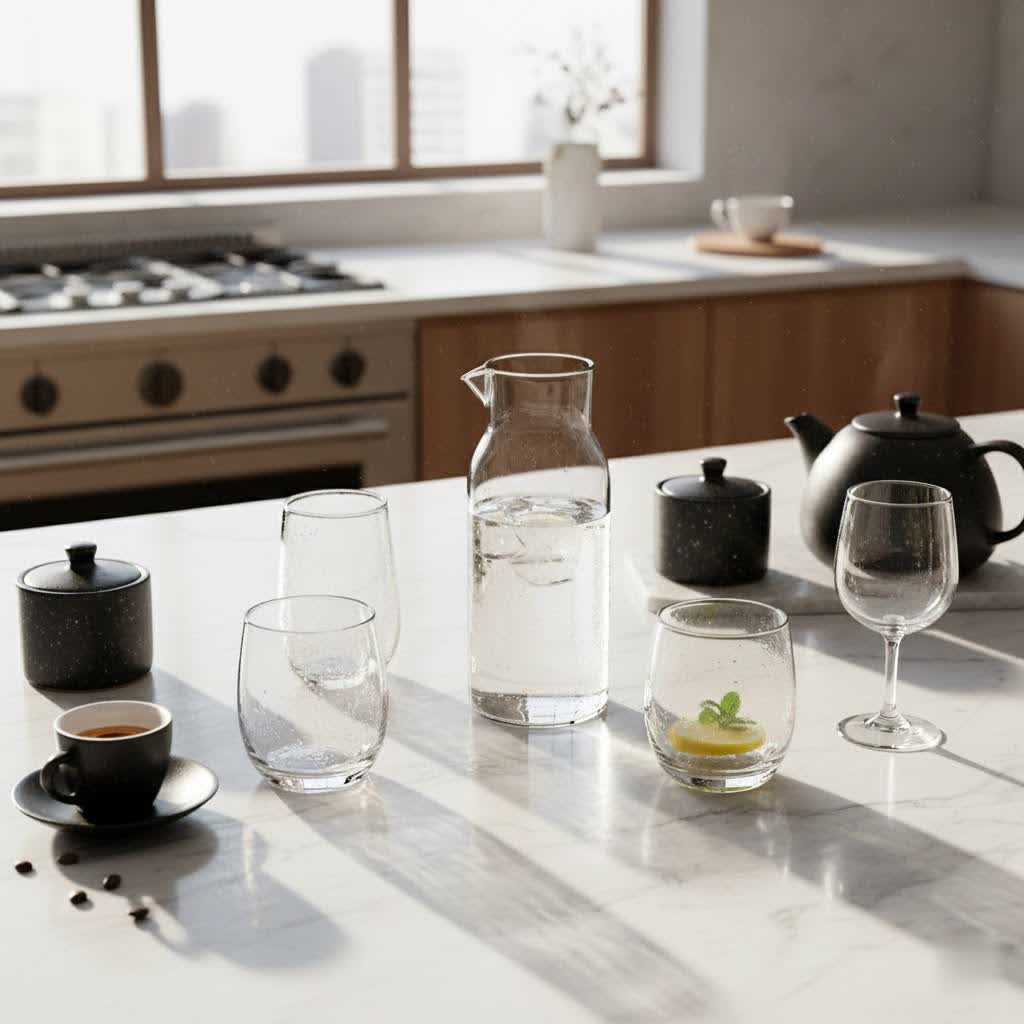
There’s nothing quite as disheartening as pulling out seemingly clean glassware, only to find it obscured by a milky film or stubborn water spots. This common household frustration can diminish the appeal of any table setting and make even the freshest drink look uninviting. If you’ve ever wondered how to remove cloudiness from glassware and bring back its brilliant shine, you’re in the right place. This comprehensive DIY guide will walk you through understanding the root causes of cloudy glasses and provide effective, step-by-step solutions to restore their crystal-clear beauty, ensuring your entertaining and daily use are always a sparkling success.

Understanding Glassware Cloudiness: Hard Water vs. Etching
Before you embark on your mission to restore your glassware, it’s crucial to understand the two primary culprits behind cloudiness: hard water mineral deposits and glass etching. Knowing the difference will determine whether your glasses can be salvaged or if the damage is unfortunately permanent.
Hard water mineral deposits are the most common cause of a cloudy appearance. They occur when minerals like calcium and magnesium, present in hard water, adhere to the surface of your glasses during washing and drying. These deposits leave behind a milky, hazy film that, while unsightly, is usually treatable with household acids. This type of cloudiness often feels slightly rough to the touch and tends to disappear temporarily when wet, only to reappear as the glass dries.
Glass etching, on the other hand, is a more serious and irreversible form of damage. It results from a chemical reaction that corrodes the glass surface itself, creating tiny, permanent scratches and pits. This usually happens over time due to factors such as very soft water, excessively high dishwasher temperatures, aggressive detergents, or extended wash cycles. Unlike hard water stains, etched glass will remain cloudy even when wet, and the film cannot be scrubbed or dissolved away. While frustrating, recognizing etching early saves you from wasting time on ineffective cleaning methods.
Essential Tools and Safety Tips for DIY Glassware Restoration
Tackling cloudy glassware at home requires a few common household items and a mindful approach to safety. Gathering your supplies beforehand ensures a smooth and efficient cleaning process. Most of these items are likely already in your pantry or cleaning cabinet.
You will need a large basin or a clean sink, plenty of white vinegar (a household hero for many cleaning tasks), baking soda, mild dish soap, and a supply of warm water. For drying, invest in high-quality, lint-free towels or microfiber cloths, which are excellent for preventing new water spots. If you plan to use lemon juice, have a fresh lemon and some table salt on hand. For specific methods, denture cleaning tablets can also be surprisingly effective.
Safety is paramount, especially when handling cleaning solutions and delicate glass. Always wear rubber gloves if you have sensitive skin or prefer to protect your hands from prolonged exposure to cleaning agents. Never mix different cleaning chemicals unless explicitly instructed, as this can create dangerous fumes or ineffective solutions. Handle glassware carefully to prevent chips or breaks, especially when soaking multiple items. Ensure good ventilation in your workspace, particularly if using stronger cleaning solutions, though the methods outlined here are generally mild and safe.
Effective DIY Methods to Banish Hard Water Stains
Once you’ve determined your glassware is suffering from hard water mineral deposits, you can effectively restore its clarity using a variety of accessible DIY methods. These techniques leverage the power of common household ingredients to dissolve mineral buildup without harsh chemicals.
The White Vinegar Soak Method
|
Our Picks for the Best Glassware set in 2026
As an Amazon Associate I earn from qualifying purchases.
|
||
| Num | Product | Action |
|---|---|---|
| 1 | Libbey Preston Tumbler and Rocks Glass Cups Set, All Purpose Everyday Drinking Glasses Set of 16, Glassware Drinking Glasses for Birthdays, Dinners |

|
| 2 | Libbey Province 24-Piece Glasses Drinking Set, Ideal Dining Glassware Sets, Glass Tumbler Set with Lines, Dishwasher Safe Glass Sets For Drinking |
|
| 3 | Libbey Ascent Tumbler and Rocks Drinking Glasses Set of 16, Glass Drinking Glasses with Curvature, Versatile Glassware Set for Parties and More |
|
| 4 | Hlukana Vintage Hobnail Drinking Glasses Set of 8, 12 oz Highball Glasses & 10 oz Cocktail Glasses Set, Kitchen Water Glasses Cup, Bar Tumbler Glassware Set for Beer, Juice, Cocktail, Whiskey, Milk |
|
| 5 | US Acrylic Classic Clear Plastic Reusable Drinking Glasses (Set of 8) 12oz Rocks & 16oz Water Cups | BPA-Free Tumblers, Made in USA | Top-Rack Dishwasher Safe |
|
| 6 | Le'raze Collins Everyday Drinking Glasses Set of 16 Drinkware Kitchen Glasses for Cocktail, Iced Coffee, Beer, Ice Tea, Wine, Whiskey, Water, 8 Tall Highball Glass Cups & 8 Short Old Fashioned. |
|
| 7 | Ribbed Glass Cups Set of 8 - 4 Large Capacity Highball Glasses 17oz, 4 Rocks Glass Cups 12oz, Cocktail Glasses, Drinking Glasses Ideal for Beer, Juice, Water, Ice Coffee Cup, Whiskey, Mixed Drinkware |
|
| 8 | Libbey Province Tumbler and Rocks Glass Set, Elegant Drinkware Glasses Set, Dishwasher Safe Drinking Glasses Set of 16 |
|
| 9 | Qipecedm Drinking Glasses, 8 Piece Crystal Glass Cups, Mixed Glassware Set, 4 pcs Crystal Old Fashioned 11oz Highballs and 4 pcs 11oz Whiskey Glasses, Great for Cocktail, Whisky and other Beverages |
|
| 10 | Everyday Drinking Glasses Set of 8 Drinkware Hurricane Glasses, Kitchen Glasses for Cocktail, Iced Coffee, Beer, Ice Tea, Wine, Whiskey, Water, 4 Tall Glass Cups & 4 Short Dof Drinking |
|
White vinegar is a go-to solution for hard water stains due to its acetic acid content, which naturally dissolves mineral deposits like calcium and magnesium. This method is often the first line of defense against cloudy glasses.
To begin, fill a basin or your kitchen sink with equal parts warm water and white vinegar. For very stubborn stains, you can opt for undiluted warm vinegar, which is more potent. Submerge your cloudy glasses completely in the solution, ensuring they are fully covered. Allow them to soak for at least 15 to 30 minutes; for heavily mineralized glasses, you might extend this to several hours or even overnight. The acid in the vinegar will work to break down the mineral bonds. After soaking, gently scrub any remaining spots with a soft sponge or cloth. For particularly persistent residue, create a paste with a small amount of baking soda and water, and gently rub it onto the affected areas before rinsing. Rinse each glass thoroughly under warm running water to remove all vinegar residue and loosened minerals.
Baking Soda Paste Technique
Baking soda, a mild abrasive, can be an excellent complement to vinegar or a standalone solution for less severe cloudiness, offering gentle scrubbing power.
To create a baking soda paste, mix a few teaspoons of baking soda with just enough water to form a thick, spreadable consistency. Apply this paste directly to the cloudy areas of your glassware. Using a soft cloth or sponge, gently rub the paste onto the glass in a circular motion. The fine particles of baking soda will help lift and buff away mineral deposits without scratching the surface. Exercise caution and avoid aggressive scrubbing, especially on delicate glassware. After scrubbing, rinse the glasses thoroughly with warm water, ensuring all traces of the baking soda are removed, then dry them immediately.
The Power of Denture Tablets
Surprisingly, denture cleaning tablets can be an effective, hands-off solution for cloudy glassware. Their effervescent action and mild cleaning agents work wonders on mineral buildup.
Simply fill each cloudy glass with warm water, then drop one denture cleaning tablet into each glass. You’ll observe a fizzing action as the tablet dissolves, releasing cleaning agents that help break down hard water deposits. Let the glasses soak for 30 minutes to an hour, or even longer for very cloudy items. Once the fizzing stops and the cloudiness appears to diminish, pour out the solution. Rinse the glasses thoroughly with warm water to remove any residue from the tablets, then dry them promptly with a clean, lint-free cloth to reveal their restored clarity.
Lemon Juice and Salt Scrub
For a fresh-smelling and effective alternative, a paste made from lemon juice and salt offers both acidic dissolving power and gentle abrasion. This method is particularly appealing for those who prefer natural cleaning solutions.
Cut a fresh lemon in half and squeeze out its juice into a small bowl. Add an equal amount of table salt to the lemon juice, stirring until it forms a thick paste. The acidity of the lemon juice helps to dissolve mineral deposits, much like vinegar, while the salt acts as a fine, natural abrasive. Apply the paste to the cloudy areas of your glassware using a soft cloth or the cut half of the lemon itself. Gently scrub the affected surfaces in a circular motion. The combination of acid and friction will work together to lift the mineral film. After scrubbing, rinse the glassware completely under warm water to remove all paste and loosened deposits. Dry immediately with a clean, soft cloth.
When DIY Isn’t Enough: Recognizing Permanent Etching
It’s important to set realistic expectations when attempting to remove cloudiness from glassware. While the DIY methods above are highly effective against hard water stains, they cannot repair glass that has been etched. Etching is permanent damage to the glass surface, and unfortunately, once it occurs, there’s no way to fully restore the glass to its original, pristine condition.
The simplest way to differentiate between hard water buildup and etching is the “vinegar test.” If your glassware remains cloudy after a thorough vinegar soak and gentle scrubbing, it’s highly likely to be etched. Another indicator is the feel of the glass; etched glass may feel slightly rough or pitted, and the cloudiness will persist even when the glass is wet. While some people report minor improvements in the appearance of etched glass using various polishing compounds, these are often temporary and can sometimes cause further damage. Recognizing permanent etching allows you to accept the inevitable and avoid wasting time and effort on solutions that won’t work.
Prevention is Key: Keeping Your Glassware Crystal Clear
The best way to deal with cloudy glassware is to prevent it from happening in the first place. Adopting a few simple habits and optimizing your dishwashing routine can significantly extend the life and sparkle of your glasses. Proactive measures are often easier and more effective than reactive cleaning.
Optimizing Your Dishwasher Use
Your dishwasher can be both a blessing and a curse for glassware. To prevent cloudiness, always use a high-quality rinse aid. Rinse aids help water sheet off the glass, preventing droplets from drying and leaving mineral deposits. Avoid overloading your dishwasher, as this can prevent proper water circulation and rinsing, leaving detergent and mineral residue. Whenever possible, select lower temperature wash cycles for glassware, especially delicate items, as high heat can accelerate the etching process, particularly if you have soft water. Ensure you’re using the correct amount of detergent; too much can leave residue, while too little may not clean effectively.
Proper Drying Techniques
How you dry your glasses is just as important as how you wash them. Air drying, while convenient, often leads to water spots and mineral buildup, especially in hard water areas. The most effective way to prevent cloudiness is to hand-dry your glassware immediately after washing or rinsing with a clean, lint-free towel or a microfiber cloth. These cloths are highly absorbent and won’t leave behind fibers. Dry each piece thoroughly until it sparkles to avoid any lingering moisture that could lead to new spots.
Water Softeners
If you consistently battle severe hard water stains across all your dishes and appliances, installing a whole-house water softener might be a worthwhile investment. A water softener removes the minerals that cause hard water before they even reach your tap, thus preventing mineral deposits on your glassware and prolonging the life of your appliances. This is a more significant investment but offers a permanent solution to hard water problems.
Regular Maintenance
Even with preventive measures, occasional maintenance can keep your glassware in top condition. Periodically running an empty dishwasher cycle with a cup of white vinegar in the top rack can help descale the machine itself, which benefits all your dishes. Additionally, quickly rinsing glasses after use, especially if they’ve held beverages with strong residues, can prevent buildup from becoming stubborn stains. Gentle hand washing is always recommended for delicate or expensive glassware.
Frequently Asked Questions
Is cloudy glassware safe to use?
Yes, cloudy glassware caused by hard water mineral deposits is generally safe to use. The mineral film is non-toxic. However, permanently etched glass, while still safe, may be more prone to chipping or accumulating residue in its rough surface.
Can etched glass be repaired?
Unfortunately, glass etching, which is a form of surface corrosion, cannot be truly repaired. Once the glass surface has been compromised and tiny scratches or pits have formed, no DIY method or professional treatment can restore it to its original smooth state.
What causes glasses to get cloudy in the dishwasher?
Cloudiness in the dishwasher can be caused by two main factors: hard water mineral deposits or glass etching. Hard water leaves behind calcium and magnesium. Etching is accelerated by soft water, high temperatures, and certain detergents corroding the glass over time.
How often should I clean my glasses with these methods?
You should clean your glasses with these DIY methods as needed, typically when you notice cloudiness appearing. If you implement strong preventive measures, you might only need to do a deep clean every few months or for specific pieces of glassware that are more prone to buildup.
Can I use these methods on all types of glassware?
Most DIY methods involving vinegar, baking soda, and lemon juice are safe for common glass and crystal. However, always exercise caution with very delicate, antique, or hand-painted glassware. Test a small, inconspicuous area first, and avoid harsh scrubbing on fragile items.