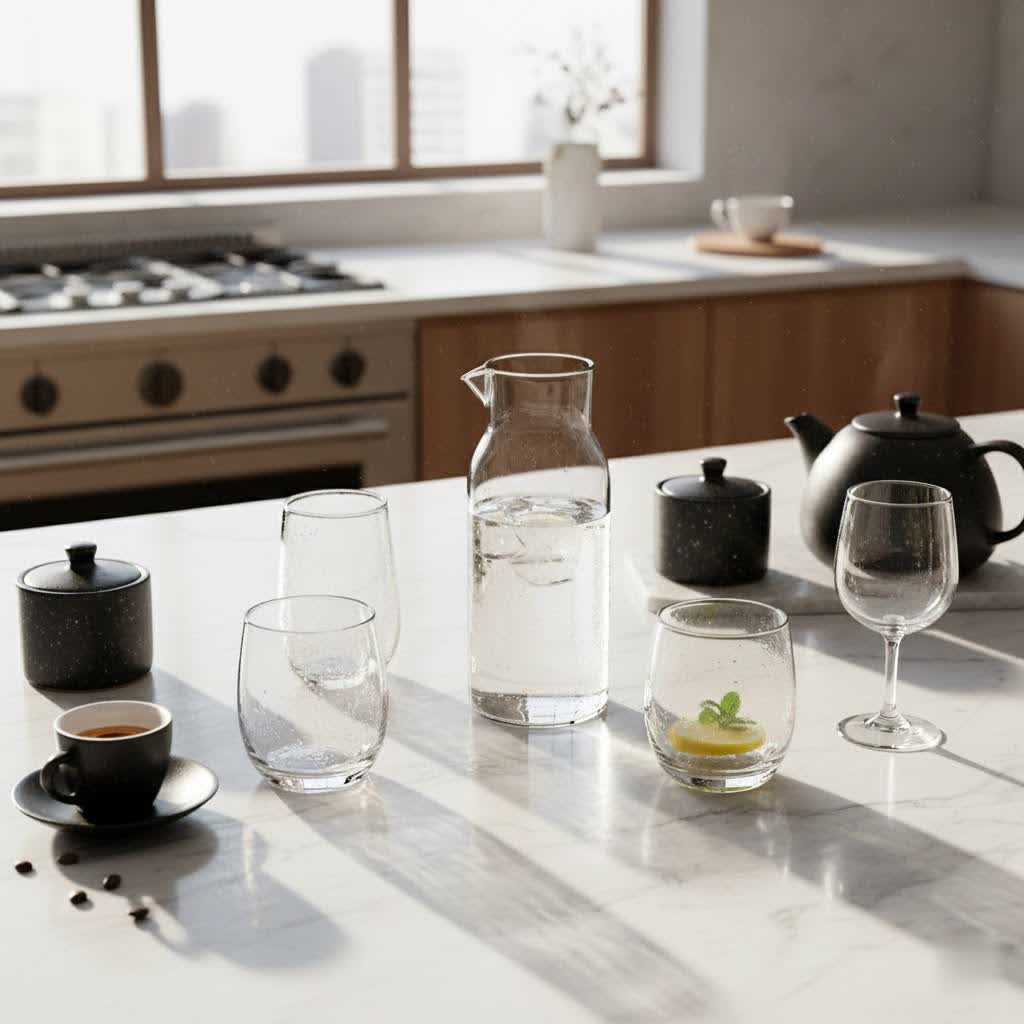
Moving to a new home is an exciting new chapter, but the thought of fragile glassware shattering during transit can cast a shadow over the entire process. The clinking sound of broken glass inside a box is a homeowner’s nightmare, signaling not just financial loss but also the loss of cherished memories. Whether it’s your everyday tumblers, precious crystal stemware, or sentimental ceramic mugs, protecting these delicate items is paramount. This comprehensive guide, informed by years of experience handling household goods, will equip you with proven techniques and expert tips to ensure your glassware arrives at your new destination pristine and intact.
Gather Your Essentials: The Right Packing Materials Make All the Difference
Successful glassware packing begins with assembling the correct arsenal of materials. Skimping on these essentials is a common pitfall that often leads to disappointment on moving day.
Sturdy Moving Boxes
|
Our Picks for the Best Glassware set in 2026
As an Amazon Associate I earn from qualifying purchases.
|
||
| Num | Product | Action |
|---|---|---|
| 1 | Libbey Preston Tumbler and Rocks Glass Cups Set, All Purpose Everyday Drinking Glasses Set of 16, Glassware Drinking Glasses for Birthdays, Dinners |

|
| 2 | Le'raze Collins Everyday Drinking Glasses Set of 16 Drinkware Kitchen Glasses for Cocktail, Iced Coffee, Beer, Ice Tea, Wine, Whiskey, Water, 8 Tall Highball Glass Cups & 8 Short Old Fashioned. |
|
| 3 | Libbey Ascent Tumbler and Rocks Drinking Glasses Set of 16, Glass Drinking Glasses with Curvature, Versatile Glassware Set for Parties and More |
|
| 4 | Libbey Province Tumbler and Rocks Glass Set, Elegant Drinkware Glasses Set, Dishwasher Safe Drinking Glasses Set of 16 |
|
| 5 | Ribbed Glass Cups Set of 8 - 4 Large Capacity Highball Glasses 17oz, 4 Rocks Glass Cups 12oz, Cocktail Glasses, Drinking Glasses Ideal for Beer, Juice, Water, Ice Coffee Cup, Whiskey, Mixed Drinkware |
|
| 6 | Libbey Province 24-Piece Glasses Drinking Set, Ideal Dining Glassware Sets, Glass Tumbler Set with Lines, Dishwasher Safe Glass Sets For Drinking |
|
| 7 | Qipecedm Drinking Glasses, 8 Piece Crystal Glass Cups, Mixed Glassware Set, 4 pcs Crystal Old Fashioned 11oz Highballs and 4 pcs 11oz Whiskey Glasses, Great for Cocktail, Whisky and other Beverages |
|
| 8 | Everyday Drinking Glasses Set of 8 Drinkware Hurricane Glasses, Kitchen Glasses for Cocktail, Iced Coffee, Beer, Ice Tea, Wine, Whiskey, Water, 4 Tall Glass Cups & 4 Short Dof Drinking |
|
| 9 | Hlukana Vintage Hobnail Drinking Glasses Set of 8, 12 oz Highball Glasses & 10 oz Cocktail Glasses Set, Kitchen Water Glasses Cup, Bar Tumbler Glassware Set for Beer, Juice, Cocktail, Whiskey, Milk |
|
| 10 | US Acrylic Classic Clear Plastic Reusable Drinking Glasses (Set of 8) 12oz Rocks & 16oz Water Cups | BPA-Free Tumblers, Made in USA | Top-Rack Dishwasher Safe |
|
The foundation of safe transport is a strong box. Opt for medium-sized, double-walled boxes specifically designed for kitchenware or “dish packs.” These offer superior rigidity and can withstand the weight of multiple wrapped items. While larger boxes might seem convenient, they can quickly become too heavy and awkward to handle, increasing the risk of drops and damage. Reinforce the bottom of every box with several strips of strong packing tape before you begin. Liquor store boxes are often a sturdy, economical alternative, as they are designed to carry glass bottles.
Packing Paper vs. Bubble Wrap
Both packing paper and bubble wrap are invaluable, each serving a distinct purpose:
- Packing Paper: This clean, ink-free paper is your primary wrapping material. It conforms snugly to the shape of each item, preventing scratches and providing a basic layer of cushioning. It’s also excellent for filling voids within boxes.
- Bubble Wrap: For highly fragile, delicate, or valuable pieces like crystal stemware, bubble wrap offers superior impact protection. It can be used as a standalone wrap or as an outer layer over packing paper for added security.
- Alternatives & Void Fill: If you’re on a budget, clean newsprint, hand towels, dishcloths, t-shirts, or even tube socks can serve as effective wrapping and cushioning materials. Be cautious with newspaper, as its ink can smudge onto your glassware, requiring extra washing later. For filling empty spaces within boxes, crumpled packing paper, foam peanuts, or even soft linens work wonders.
Strong Packing Tape and Markers
Invest in high-quality packing tape to securely seal all box seams. A sturdy tape gun can make this process faster and more efficient. Markers are essential for clear labeling, which is a non-negotiable step for a stress-free move.
Optional: Cell Dividers and Glassware Kits
Specialized cell dividers or glassware packing kits provide individual compartments, keeping each piece separated and preventing contact. These are particularly useful for wine glasses and other delicate stemware, offering an added layer of security and organization.
Step-by-Step Preparation for a Smooth Pack
Before you start wrapping, a little preparation goes a long way in ensuring efficiency and minimizing risk.
Clean and Declutter Your Glassware
Take this opportunity to sort through your collection. Clean all glassware thoroughly. Dried food residue can attract pests or become a sticky mess during storage. Discard any chipped, cracked, or unused items to reduce the volume of fragile goods you need to pack. Less to pack means less risk and less effort.
Reinforce Your Boxes
Even new boxes benefit from reinforcement. Apply at least two or three strips of packing tape across the bottom seams, extending up the sides for extra strength. This prevents the bottom from giving out under the weight of your carefully packed items.
Set Up Your Packing Station
Choose a large, flat, and clean surface for packing. Lay out your packing paper, bubble wrap, tape, and markers within easy reach. Having an organized station will streamline the process and reduce the chances of accidental drops.
Mastering the Wrap: Techniques for Every Type of Glassware
The key to preventing breakage lies in individually wrapping each piece. Direct glass-on-glass contact is the enemy of a safe move.
Standard Drinking Glasses & Mugs
For everyday tumblers, juice glasses, and coffee mugs, a simple yet effective method is best:
- Stuff the Interior: For cups and mugs, crumple a piece of packing paper and gently stuff it inside the vessel. This provides internal support, helping the glass withstand external pressure and preventing cracks from the inside out.
- Individual Wrap: Lay a sheet of packing paper flat. Place the glass near one corner at an angle. Roll the glass diagonally across the paper, tucking in the excess paper as you go until the entire item is covered. For mugs, pay extra attention to padding the handle, which is a common stress point. Secure the loose ends with a small piece of tape.
Wine Glasses & Stemware
These elegant but delicate pieces require meticulous attention to their vulnerable stems and rims.
- Prioritize the Stem: Begin by wrapping the stem and base of the wine glass with a half-sheet or a small crumpled piece of packing paper. This reinforces the weakest part.
- Full Wrap: Place the stem-wrapped glass on a larger sheet of packing paper. Roll the glass diagonally, tucking the paper around the bowl and rim. Use at least two layers of paper, or a layer of paper followed by bubble wrap for added protection. Secure with tape. Always wrap only one stemmed glass at a time.
- Expert Tip: “Tightly wrapped means less shifting, and less shifting means fewer casualties.” Ensuring a snug, comprehensive wrap prevents movement within the protective layers, which is crucial for delicate items.
Plates, Bowls & Delicate Glassware
While not strictly glassware, many fragile kitchen items benefit from similar packing principles.
- Plates: Wrap each plate individually in several sheets of packing paper. For optimal protection, stack them vertically in the box, like records, rather than horizontally. This distributes pressure evenly and makes them less prone to cracking.
- Bowls: Place a crumpled piece of paper inside each bowl, then wrap individually. Bowls can be nested if a sheet of packing paper is placed between each one before wrapping the entire stack.
- Intricate Pieces: For vases, decanters, or other unusually shaped glass items, build custom cushioning. Fill any openings with crumpled paper, then wrap generously with bubble wrap, securing with tape. Pay attention to any protruding parts or delicate edges, adding extra layers of protection.
Packing the Box: The Art of Layering and Cushioning
Once your glassware is meticulously wrapped, the next step is strategically arranging it within the box to minimize movement and maximize protection.
Creating a Cushioned Base
Line the bottom of your box with a generous layer of crumpled packing paper, bubble wrap, or foam peanuts, at least 2-3 inches thick. This acts as a shock absorber, protecting items from impacts if the box is set down too hard.
Strategic Placement: Heaviest Below, Lightest Above
Always place your largest and heaviest wrapped glassware items on the bottom layer of the box. Lighter, more delicate pieces, especially stemware, should go on the top layers. This prevents heavier items from crushing lighter ones during transit.
Filling the Voids: No Empty Space Allowed
This is a critical step often overlooked. Any empty space allows items to shift and collide. After placing a layer of wrapped items, fill all gaps with crumpled paper, packing peanuts, or other soft cushioning materials. The box should be packed snugly, without being overstuffed or leaving any room for items to move. Add a buffer layer of crumpled paper or bubble wrap between each tier of glassware.
The “Shake Test”
Before sealing, gently lift and shake the box. You shouldn’t hear any rattling or feel significant shifting of the contents. If you do, add more void-fill material until the box feels solid.
Secure & Label: Ensuring Safe Transit
Proper sealing and clear labeling are your final lines of defense against breakage.
Sealing Your Boxes Like a Pro
Once the box passes the shake test and has a final cushioning layer on top, seal all flaps securely with strong packing tape. Run tape along all seams and across the top and bottom openings to prevent accidental popping open.
Clear and Concise Labeling
Labeling is crucial for both movers and for your own unpacking process. Use a bold, easily readable marker to clearly write:
- “FRAGILE” on at least two sides and the top of the box.
- “THIS SIDE UP” with arrows indicating the correct orientation.
- “GLASSWARE” or “Kitchen – Fragile” to quickly identify contents.
- The room it belongs in at your new home (e.g., “Kitchen”).
This clear labeling communicates the delicate nature of the contents, ensuring careful handling during loading, transport, and unloading. Avoid stacking heavy items on boxes clearly marked “FRAGILE” during transit.
“The difference between intact glassware and a box of shards often comes down to the commitment you put into those final layers of cushioning and meticulous labeling.” – ReviewSpotz Admin, Glassware Expert
Arrival & Unpacking: The Final Frontier
Even after a successful move, care is needed during unpacking to prevent last-minute mishaps.
Designate a Safe Unpacking Zone
Choose a stable, clear surface in your new kitchen or dining area where you can carefully unwrap your glassware. Lay down towels or a soft mat to provide extra cushioning.
Unwrap with Care
Take your time unwrapping each piece. Have a trash bag handy for discarded packing materials. Immediately wash any items that might have ink smudges from newspaper to prepare them for use or storage.
Conclusion
Packing glassware for a move doesn’t have to be a stressful ordeal. By investing in the right materials, adopting meticulous wrapping techniques for each type of glass, and carefully packing and labeling your boxes, you can significantly reduce the risk of breakage. Remember, every extra minute spent cushioning and securing your items is an investment in their safe arrival, transforming the daunting task of moving fragile items into a smooth and successful transition. With these strategies, you’re not just moving glassware; you’re preserving memories and preparing for countless future toasts in your new home. What’s the one piece of glassware you’d be most heartbroken to break during a move?
Frequently Asked Questions
Can I use newspaper instead of packing paper for glassware?
Yes, you can use newspaper as an alternative to packing paper, especially if you’re on a budget. However, be aware that newspaper ink can transfer onto your glassware, potentially leaving smudges that will require extra cleaning once you’ve unpacked. For valuable or sentimental items, clean packing paper is generally preferred to avoid this issue.
Should I pack glasses upside down when moving?
Many experts recommend packing glasses upright or mouth down. Packing glasses mouth down can provide a more stable base and better absorb shocks during transit, particularly for items with delicate rims. However, some sources suggest packing upright is also acceptable, as long as the glasses are well-wrapped and cushioned to prevent movement.
How many glasses can I put in one moving box?
The number of glasses per box depends on the box’s size, the glasses’ size and fragility, and the amount of cushioning. Aim for a snug fit that allows for ample wrapping and void fill without overstuffing. A medium-sized dish pack box with dividers might hold 8-12 wine glasses, while a general medium box might hold fewer without dividers. Avoid making the box too heavy to lift safely.
What is the best type of box for packing fragile glassware?
The best boxes for fragile glassware are medium-sized, double-walled corrugated boxes or specialized “dish pack” boxes. These offer enhanced strength and protection compared to standard moving boxes. Boxes with built-in cell dividers are particularly effective for separating and cushioning individual glasses and stemware.
How do professional movers pack glassware?
Professional movers typically use a combination of high-quality packing paper and sturdy, specialized moving boxes. They individually wrap each glass, often stuffing the interior for added support, and reinforce delicate areas like stems. They layer items with cushioning, fill all voids to prevent shifting, and clearly label boxes as “FRAGILE” to ensure careful handling throughout the moving process.