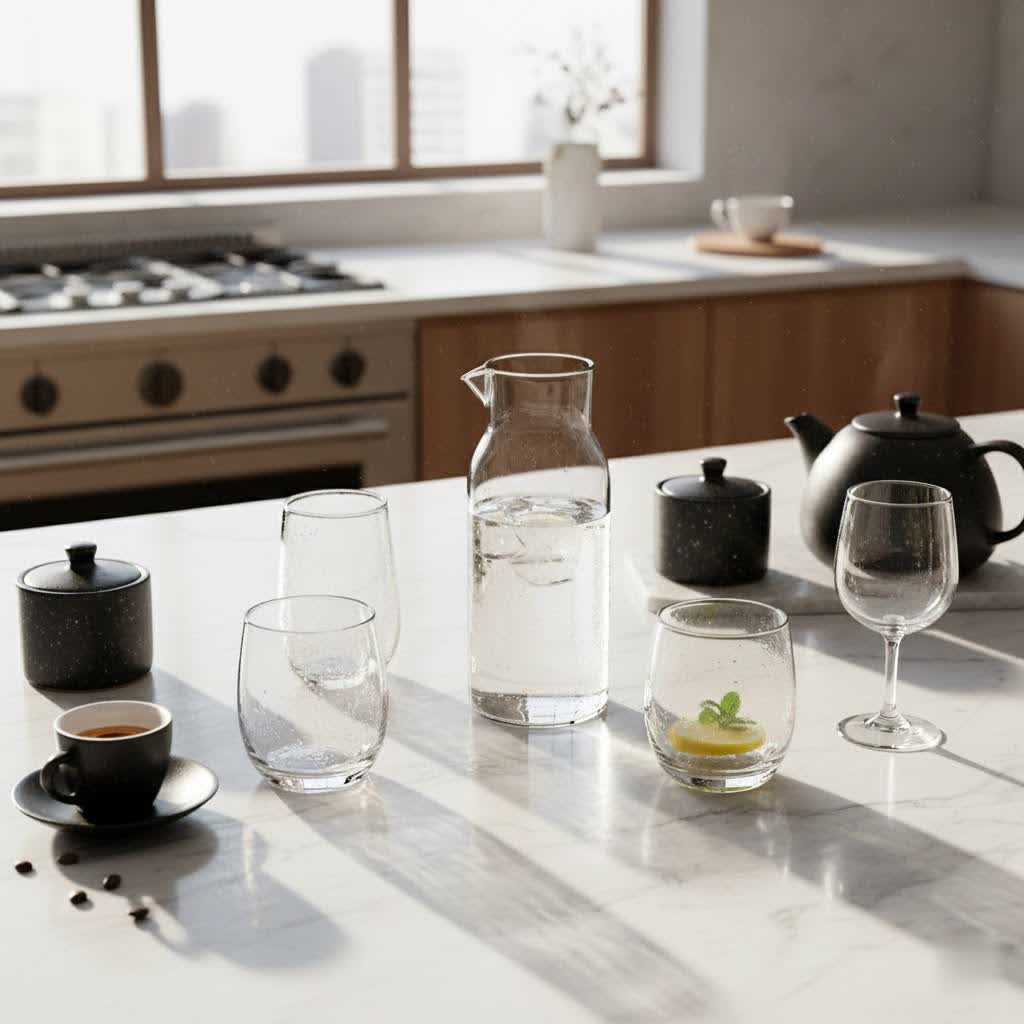
Have you ever noticed how a fine wine is served in a wide, elegant goblet, while a sparkling champagne arrives in a tall, slender flute? It’s no accident. The shape of your glassware dramatically impacts the aroma, taste, and overall enjoyment of your favorite beverages. As an admin with over a decade of experience in home goods and glassware, I’ve seen firsthand how the right Glassware set can transform an ordinary drink into an extraordinary experience. This article will delve into the nuanced world of wide mouth and narrow mouth glasses, helping you understand their unique benefits and drawbacks, so you can select the perfect set for every occasion.
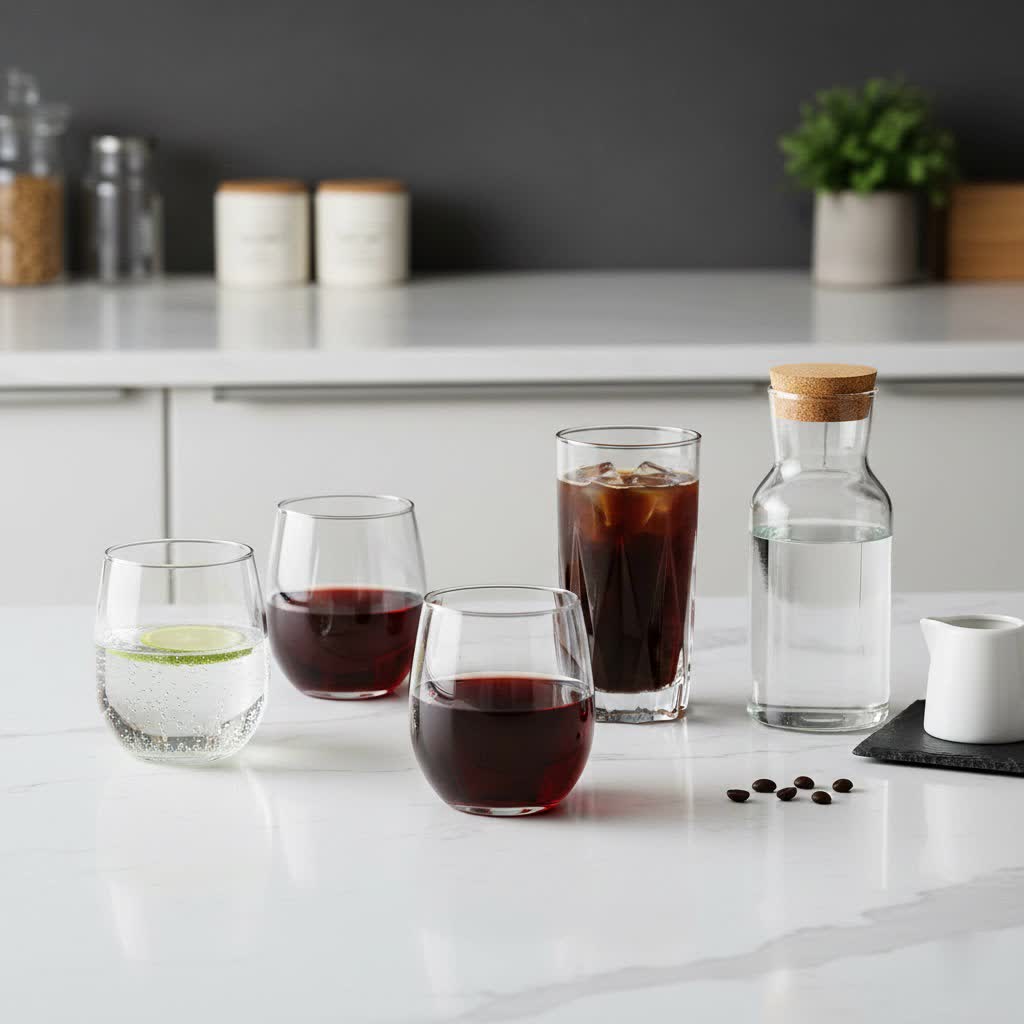
Understanding Common Glassware Types
The world of glassware is diverse, with countless designs crafted for specific purposes. At its core, much of this variety boils down to the fundamental difference between wide mouth and narrow mouth openings. Each design guides the beverage to your senses in a distinct way, altering everything from the initial scent to the final sip.
Wide Mouth Glasses
Table is empty.Wide mouth glasses are designed to maximize the surface area of the liquid exposed to air, encouraging aeration and the release of complex aromas. Think of classic red wine glasses, robust beer pints, or the broad, inviting rim of an Old Fashioned glass. These glasses typically feature a generous bowl that tapers slightly or remains open at the top, allowing volatile aromatic compounds to evaporate and reach your nose effectively. This design is particularly beneficial for drinks that need to “breathe” to reveal their full character, or for those where a rich, expansive aroma is part of the experience. They also offer practical advantages, such as ample space for ice, muddling ingredients, or adding elaborate garnishes.
Narrow Mouth Glasses
In contrast, narrow mouth glasses are engineered to concentrate aromas and often to preserve carbonation or maintain a specific temperature. The most recognizable examples include elegant champagne flutes, delicate white wine glasses, and the tall, sleek highball glasses used for mixed drinks. By restricting the opening, these glasses direct delicate scents upwards, allowing you to appreciate nuanced fragrance notes that might otherwise dissipate. For carbonated beverages, a narrow mouth minimizes the escape of bubbles, ensuring a longer-lasting fizz. They also reduce the liquid’s exposure to ambient air, which can help keep chilled drinks cooler for longer.
Specialized Glassware: A Blend of Both
Some specialized glasses cleverly combine elements of both wide and narrow mouth designs to achieve a very specific drinking experience. A prime example is the Glencairn glass, often used for whiskey or brandy. It features a wide bowl that allows the spirit to be swirled and aerated, but quickly narrows at the rim. This unique design concentrates the potent aromas directly towards the nose, preventing them from scattering too widely and delivering an intense, focused aromatic profile. Similarly, certain snifters for cognacs employ a similar approach, enhancing the rich bouquet of aged spirits. These hybrid designs demonstrate that the ideal glassware often involves a thoughtful balance between aeration and aroma concentration.
The Head-to-Head: Wide Mouth vs. Narrow Mouth
When choosing between wide mouth and narrow mouth glassware, it’s crucial to consider several factors that directly impact your drinking experience. From how aromas are delivered to how easily you can take a sip, each design offers distinct advantages and disadvantages.
Aroma and Flavor Enhancement
The most significant distinction lies in how these glass shapes interact with the drink’s aroma, which is intrinsically linked to flavor perception.
- Wide Mouth Glasses: These glasses promote significant aeration, allowing volatile compounds to escape and complex aromas to fully develop. For red wines, this “breathing” process can soften tannins and release a richer, more nuanced bouquet, often making the wine taste fruitier. The broad opening ensures a substantial sensory input, where aromas spread out before reaching your nose, enhancing overall appreciation. Martini glasses, with their wide, shallow bowls, are designed to showcase a cocktail’s aroma and visual appeal, offering an immediate and expansive aromatic experience.
- Narrow Mouth Glasses: Designed to concentrate delicate aromas, narrow mouth glasses create a more direct and intense aromatic journey. This focused delivery can make the scent stronger and, for some beverages, even sweeter. For white wines, which often boast more subtle floral and fruity notes, a narrower opening prevents these delicate aromas from dissipating too quickly and directs them precisely. This concentration is also key for spirits like whiskey, where a Glencairn glass’s tapering rim gathers complex notes, allowing for a deeper, more analytical nosing.
Temperature Retention
Maintaining the optimal serving temperature is vital for many beverages, and glass shape plays a role in this.
- Wide Mouth Glasses: With a larger surface area exposed to the air, wide mouth glasses can lead to quicker temperature changes. While this is desirable for red wines, which are often served at warmer cellar temperatures, it means chilled beverages in wide glasses may warm up faster. However, their spaciousness makes them ideal for incorporating large ice cubes or spheres, which dilute slower than smaller cubes, helping to maintain chill for longer without excessive watering down.
- Narrow Mouth Glasses: The reduced surface area of narrow mouth glasses helps to minimize heat exchange with the environment, making them better for preserving the chill of cold drinks. This is why white wines and sparkling wines are typically served in narrower glasses with long stems; the stem allows you to hold the glass without your hand’s warmth affecting the liquid. The contained environment also helps in maintaining the cooler temperature of the beverage, which is essential for drinks like a crisp Sauvignon Blanc or a refreshing gin and tonic.
Spill and Sip Experience
Beyond aroma and temperature, the practical aspects of drinking are also influenced by the glass’s mouth.
- Wide Mouth Glasses: These glasses allow for a more expansive sipping experience, often letting the liquid spread across a larger portion of the palate. This can be beneficial for quickly appreciating the full body of certain drinks. However, the wider opening can sometimes make them prone to spills, especially if one is not accustomed to the broader rim. For those with facial hair, a wide mouth glass might also present a challenge, as documented in casual user discussions, with potential for liquid to run down the sides of the mouth or beard.
- Narrow Mouth Glasses: Narrow mouth glasses offer a more controlled and precise sipping experience. The smaller opening guides the liquid flow, which can feel more refined and deliberate, particularly for delicate beverages. This controlled flow also generally reduces the likelihood of accidental spills during consumption. The design encourages a more focused delivery of the drink onto the tongue, which can influence how different taste receptors are activated, enhancing specific flavor profiles.
Cleaning and Maintenance
The practicalities of cleaning are often overlooked but are an important consideration for any glassware set.
- Wide Mouth Glasses: Generally, wide mouth glasses are much easier to clean, whether by hand or in a dishwasher. Their broader opening allows for easy access with sponges or bottle brushes, ensuring thorough cleaning of the interior, especially in areas where the glass widens towards the bottom. This ease of cleaning makes them a convenient choice for everyday use and for sticky or heavily garnished cocktails.
- Narrow Mouth Glasses: Narrow mouth glasses can pose a greater challenge for cleaning. The restricted opening may limit the size of cleaning tools that can fit inside, often requiring specialized, smaller brushes to reach all areas effectively. Residue can sometimes accumulate in harder-to-reach spots, necessitating more meticulous handwashing. This can be a minor inconvenience, particularly if you have a large collection of such glassware.
Your Ultimate Buying Guide for Glassware
Selecting the perfect Glassware set involves more than just aesthetics; it’s about matching the glass to your lifestyle, your preferred beverages, and your overall drinking experience. Consider these key factors to make an informed choice that brings joy to every sip.
Determine Your Usage Needs
Before diving into materials and designs, consider how you’ll primarily use your glassware.
- Everyday Drinking: For daily water, juice, or casual sodas, durability and ease of cleaning are paramount. Tumblers or highball glasses are often the go-to for their versatility and robustness. A mix of wide and narrow options can cater to diverse daily needs.
- Special Occasions & Entertaining: For dinner parties, holidays, or celebratory toasts, you might prioritize elegance and specialized functionality. This is where dedicated wine glasses (red and white), champagne flutes, and cocktail glasses become essential.
- Specialized Beverages: If you’re a connoisseur of specific drinks like single malt whiskey, craft beer, or elaborate cocktails, investing in glassware tailored to enhance those particular beverages will significantly elevate your enjoyment.
Consider the Material
The material of your glassware impacts its durability, clarity, and overall feel.
- Soda-Lime Glass (Regular Glass): This is the most common and affordable type, known for its strength and resistance to breakage. It’s practical for everyday use, dishwasher safe, and won’t leach chemicals into your drinks. However, it can be thicker at the rim.
- Tempered Glass: An even more durable version of soda-lime glass, treated for increased resistance to thermal shock and breakage. Ideal for busy households or outdoor use.
- Crystal Glass (Lead-Free): Offers superior clarity, brilliance, and a lighter, more refined feel. Crystal can be shaped into thinner rims and more intricate designs, enhancing the sensory experience, especially for fine wines and spirits. Modern crystal is typically lead-free, making it safe for regular use.
Design and Aesthetics
The visual appeal and ergonomic feel of glassware contribute significantly to the drinking experience.
- Style: Do you prefer classic, modern, minimalist, or ornate designs? Choose glassware that complements your home decor and personal taste.
- Shape: Beyond wide or narrow mouths, consider the overall form. A stem allows you to hold a chilled drink without warming it, while a stemless design offers stability and a more casual feel. The bowl’s curvature can affect swirling and aroma gathering.
- Color & Texture: While clear glass is standard for appreciating a drink’s color, tinted or textured glasses can add a unique flair.
Durability and Safety
Quality glassware should be built to last and safe for consumption.
- Inspect for Flaws: Always check for cracks, chips, or rough edges, especially on the rim. High-quality glassware should feel smooth and seamless.
- Health Safety: Ensure products are made from food-grade materials and are lead-free. Reputable brands will provide certifications or clear material disclosures.
- Dishwasher Safe: If convenience is important, verify that your chosen glassware is dishwasher safe. Handwashing may be necessary for delicate or crystal pieces.
Price Point
Set a realistic budget, but remember that investing in quality glassware can enhance your enjoyment and longevity.
- Budget-Friendly: Affordable sets are available for everyday use, offering good functionality without a hefty price tag.
- Mid-Range: Offers a balance of quality, design, and durability, suitable for both daily use and entertaining.
- Premium/Luxury: High-end crystal glassware can be an investment, often featuring artisanal craftsmanship and exceptional clarity, perfect for connoisseurs or special occasions. Compare prices across various retailers and look for sales or bundles to get the best value.
“The right glass isn’t just a container; it’s an extension of the beverage itself, designed to unlock and present its hidden dimensions.” – Sophia Chen, Lead Glassware Designer at VerreLux.
Conclusion
The journey through the world of wide mouth and narrow mouth glasses reveals that these seemingly simple differences hold profound implications for our drinking pleasure. From the expansive aeration of a wide bowl that awakens complex red wine aromas to the focused intensity a narrow rim brings to delicate white wines or sparkling beverages, each design serves a unique purpose. Understanding these distinctions empowers you to choose a Glassware Set that not only looks stunning but also actively enhances every sip.
Whether you prioritize robust aromas, sustained carbonation, temperature control, or simply ease of cleaning, there’s a perfect glass waiting to elevate your next drink. So, consider your needs, explore the options, and discover how the right glassware can truly transform your everyday moments and special celebrations. What type of glass will you reach for next to unlock the full potential of your favorite beverage?
Frequently Asked Questions
Does the shape of a drinking glass truly affect taste?
Absolutely. The shape of a glass significantly influences how a drink’s aroma reaches your nose, where much of our taste perception occurs. Different shapes control aeration and direct aromatic compounds in various ways, altering your sensory experience. For example, a wider bowl allows wine to “breathe” more, releasing complex aromas, while a narrow rim concentrates delicate scents.
Which type of glass is best for everyday water consumption?
For everyday water, tumblers or highball glasses are excellent choices. They typically feature a wide mouth, making them easy to fill, drink from, and clean. Their robust design makes them durable for daily use, and they comfortably accommodate ice, ensuring your water stays refreshing.
Why do wine glasses have such different shapes?
Wine glasses are specifically designed to enhance the characteristics of different wines. Red wine glasses often have a wide, round bowl to allow greater aeration, helping to soften tannins and release complex aromas. White wine glasses are typically narrower and smaller to preserve cooler temperatures and concentrate more delicate, subtle aromas. Sparkling wine flutes are tall and narrow to retain carbonation and direct bubbles upwards, maintaining fizz.